Tourism marketing in 2026 is more competitive than ever. Travelers are planning earlier, comparing more options, and relying heavily on digital platforms to decide where to go, what to book, and where to spend money once they arrive.
For tourism-based businesses, one question comes up constantly when planning ad budgets:
“Should I be using Facebook Ads or Google Ads?”
The short answer is that both platforms can work extremely well, but they serve different purposes and perform very differently depending on your business type. Tours and excursions have different needs than local shops and eateries, and understanding those differences is the key to spending ad dollars wisely.
Let’s break down the strengths and weaknesses of Facebook Ads and Google Ads for tourism in 2026, with a clear focus on what works best for each type of business.
Understanding the Core Difference Between Facebook Ads & Google Ads

Before comparing performance, it is important to understand how these platforms work at a fundamental level.
Google Ads capture intent. People are actively searching for something specific. When your ad appears, it meets them at the moment they are already interested.
Facebook Ads create demand. Users are not searching for a product or service. Instead, ads interrupt their feed and spark interest through visuals, storytelling, and targeting.
Both approaches are valuable, but they shine in different scenarios.
Facebook Ads for Tourism Businesses in 2026
Strengths of Facebook Ads
Facebook Ads remain one of the strongest platforms for visual storytelling and audience targeting. In 2026, the platform continues to perform well for tourism businesses that rely on inspiration and discovery.
Key strengths include:
- Advanced audience targeting based on interests, travel behavior, and demographics
- Strong visual formats like video, reels, and carousel ads
- Excellent remarketing capabilities
- Ideal for promoting experiences, atmosphere, and lifestyle
Facebook Ads work best when you want to show people what they could experience before they actively start searching.


Weaknesses of Facebook Ads
Despite their strengths, Facebook Ads are not always ideal for immediate bookings.
Common weaknesses include:
- Lower purchase intent compared to search ads
- Longer decision-making cycles
- Requires strong creative to perform well
- Performance can fluctuate based on creative fatigue
Facebook Ads often need multiple touchpoints before a customer converts.
Google Ads for Tourism Businesses in 2026
Strengths of Google Ads
Google Ads continue to be one of the most powerful tools for capturing high intent traffic. In 2026, search driven tourism ads are still critical, especially for businesses that rely on bookings.
Key strengths include:
- High intent users actively searching for services
- Strong performance for bookings and reservations
- Predictable demand for popular tourism searches
- Clear measurement of return on ad spend
When someone searches for tours, excursions, restaurants, or shops in a specific destination, they are often ready to act.

Weaknesses of Google Ads
Google Ads are not without challenges.
Common weaknesses include:
- Higher cost per click in competitive tourism markets
- Limited storytelling compared to social platforms
- Requires strong keyword strategy and ongoing optimization
- Less effective for impulse discovery
Google Ads work best when search demand already exists.
Tours & Excursions: Facebook Ads vs Google Ads
Facebook Ads for Tours & Excursions
For tours and excursions, Facebook Ads excel at early-stage inspiration.
They work well for:
- Showcasing experiences through video
- Targeting travelers before they arrive
- Remarketing to users who visited your website
- Building brand awareness months ahead of peak season
However, Facebook Ads often struggle to close the final booking on their own unless paired with remarketing or strong offers.
Google Ads for Tours & Excursions
Google Ads are often the strongest performer for direct tour bookings.
They work best for:
- Searches like “best tours,” “shore excursions,” or “things to do”
- Capturing travelers who are actively planning
- Driving immediate bookings
- Supporting last minute decisions while in port or destination
- For tours and excursions in 2026, Google Ads often produce the highest return when search demand is strong.
Best Approach for Tours & Excursions
For most tour operators, the best strategy is not choosing one platform but using both together.
Facebook Ads build awareness and interest early. Google Ads capture demand when travelers are ready to book. When combined, they create a full funnel that supports long planning cycles common in tourism.
Local Shops & Eateries: Facebook Ads vs Google Ads

Facebook Ads for Local Shops & Eateries
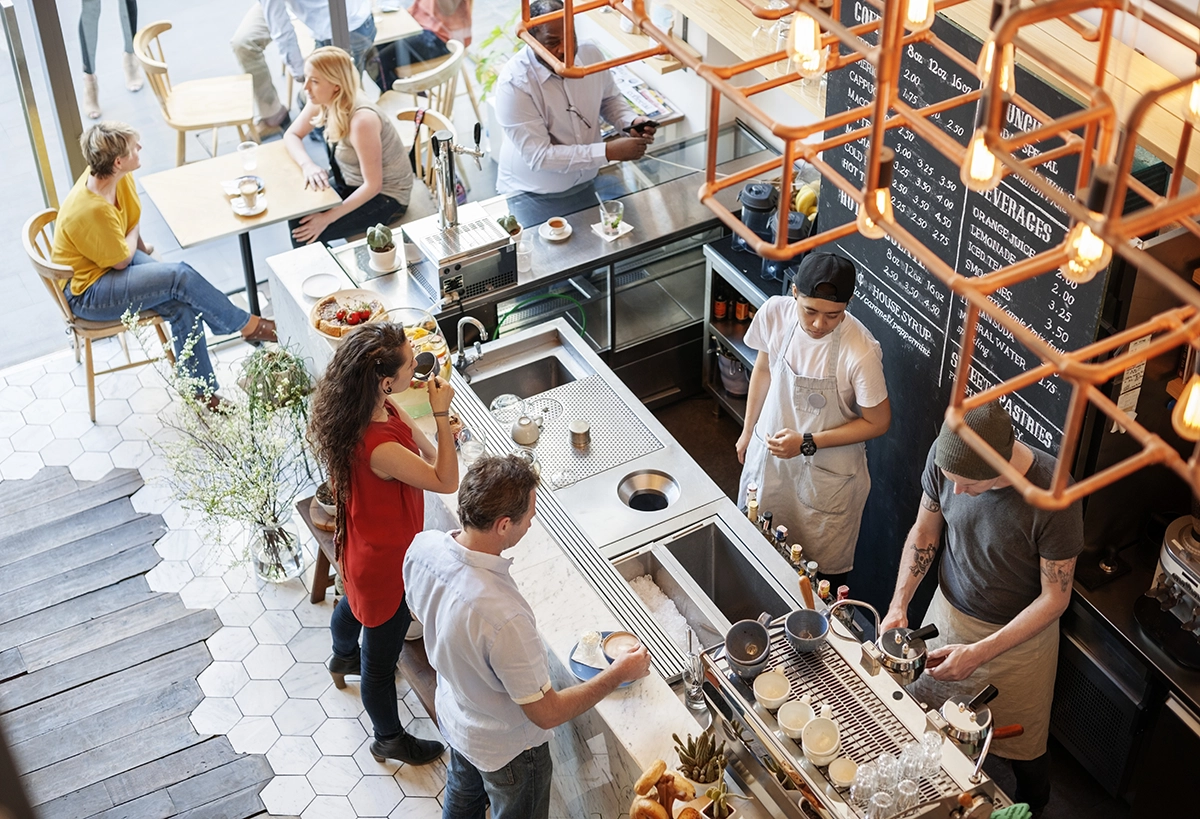
Facebook Ads perform extremely well for local shops and restaurants when the goal is visibility and foot traffic.
They are ideal for:
- Promoting specials, events, or limited time offers
- Showcasing food, atmosphere, and products
- Reaching tourists once they arrive
- Staying top of mind during a visit
Facebook Ads are especially effective for impulse decisions like choosing where to eat or shop.
Google Ads for Local Shops & Eateries
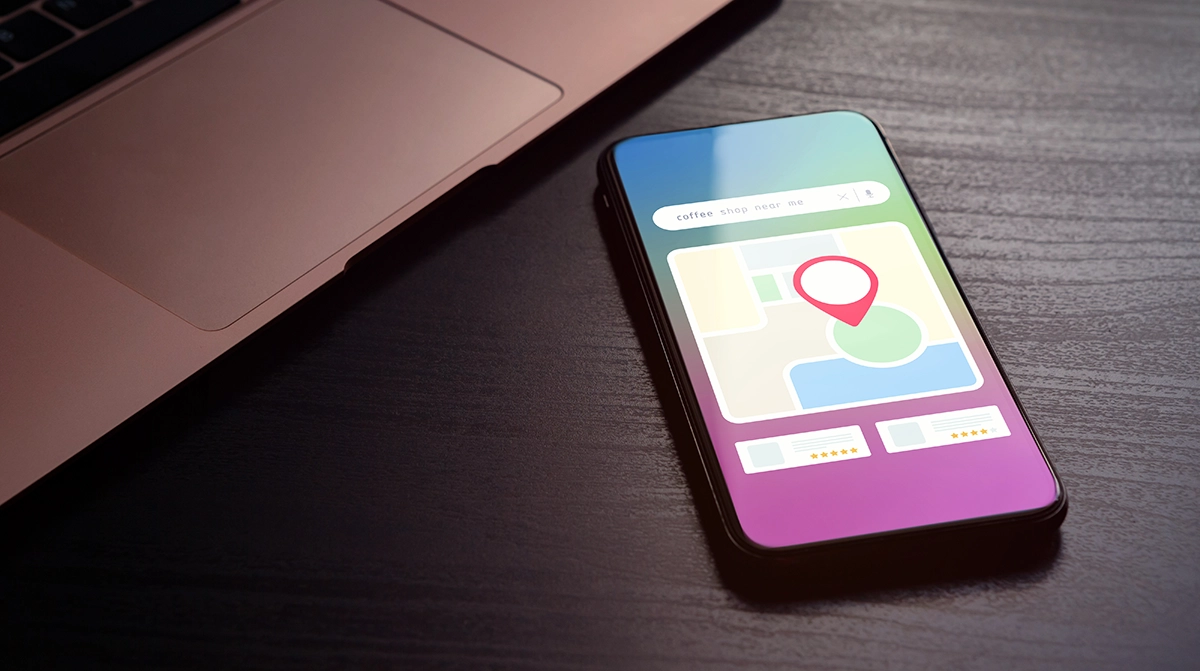
Google Ads work best when tourists are actively searching nearby.
They excel at:
- “Near me” searches
- Capturing high intent dining or shopping decisions
- Driving immediate visits
- Supporting Google Maps visibility
However, Google Ads can be less effective for shops or eateries that rely heavily on atmosphere or visual appeal alone.
Best Approach for Local Shops & Eateries
For most local businesses, Facebook Ads drive awareness while Google Ads capture last minute intent. Using both allows you to influence decisions and be present when tourists search.
Budget Strategy for Tourism Ads in 2026
One of the biggest mistakes tourism businesses make is splitting budgets evenly without strategy.
A better approach is aligning spend with buyer behavior. Tours and excursions often benefit from a heavier Google Ads investment with Facebook Ads supporting awareness and remarketing.
Local shops and eateries often see stronger results starting with Facebook Ads, supported by Google Ads for high intent searches.
Testing, tracking, and adjusting based on real performance is critical.
Why Strategy Matters More Than Platform Choice

The question is not which platform is better. The real question is which platform supports your goals at each stage of the customer journey.
In 2026, successful tourism advertising requires:
- Clear goals
- Platform specific creative
- Ongoing optimization
- A strategy that matches how travelers actually make decisions
Without strategy, even the best platform will underperform.
Choosing between Facebook Ads and Google Ads is not about picking a winner. It is about using each platform for what it does best. When aligned with your business type and customer behavior, both platforms can drive meaningful results for tourism businesses in 2026.
If you want help building a tourism ad strategy that is tailored to your goals, audience, and seasonality, contact Bold Marketing & Design today!